

As the team behind Optibike, I’ve spent years helping riders rethink what their daily commute can look like. Whether you’re navigating city streets, climbing steep hills, or covering long suburban distances, the choice between an electric bike and a traditional bike is more than a lifestyle decision—it’s a performance decision.
I design and build high-performance e-bikes because I believe commuting should be efficient, enjoyable, and empowering. But I also respect the simplicity and legacy of the traditional bicycle. So let’s break this down honestly and strategically to help you decide which option truly fits your commute.
Understanding the Modern Commute
Before comparing an electric bike to a traditional bike, we need to define what commuting really means today. For many professionals, commuting includes:
- 5–25+ miles each way
- Traffic congestion and stoplights
- Elevation changes and unpredictable terrain
- Limited time before and after work
- Arriving without being drenched in sweat
If your commute involves hills, distance, or time pressure, the right bike can dramatically change your daily experience.
What a Traditional Bike Offers for Commuters
A traditional bike has long been the standard for eco-friendly transportation. It’s simple, lightweight, and requires no battery or charging.
Benefits of a traditional bike for your commute:
- Lower upfront cost
- Lightweight and easy to store
- Minimal mechanical complexity
- Excellent cardiovascular workout
- No reliance on charging infrastructure
For short, flat commutes—especially under 5 miles—a traditional bike can be an excellent option. It’s efficient, reliable, and beautifully simple.
However, when distance increases or terrain becomes challenging, the limitations of a traditional bike can become apparent. Riders often face fatigue, longer travel times, and limited versatility.
Why an Electric Bike Changes the Commuting Equation
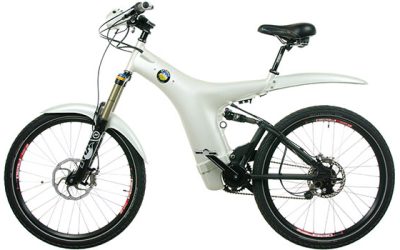
An electric bike combines human power with intelligent motor assistance. At Optibike, we engineer high-performance e-bikes designed for real-world commuting demands—steep climbs, long distances, and variable terrain.
Benefits of an electric bike for your commute:
- Pedal-assist power for hills and headwinds
- Faster average commuting speeds
- Reduced sweat and fatigue
- Extended commuting range (20–100+ miles depending on model)
- More consistent arrival times
With an electric bike, your commute becomes scalable. You can pedal hard when you want exercise and rely on assist when you need efficiency. That flexibility is what transforms commuting from a chore into something you look forward to.
Electric Bike vs Traditional Bike: Speed and Efficiency
Time is one of the most important factors in any commute. A traditional bike averages around 10–15 mph for most riders. An electric bike with pedal assist can comfortably maintain 20 mph or more, depending on local regulations and terrain.
On a 15-mile commute, that difference can save 15–30 minutes each way. Over a year, that adds up to dozens of hours reclaimed.
If your schedule is tight or unpredictable, an electric bike provides a level of consistency that a traditional bike simply can’t match—especially when fatigue sets in.
Hills, Terrain, and Real-World Conditions
One of the biggest decision points in the electric bike vs traditional bike debate is elevation. Hills dramatically increase physical demand and commute time.
With a traditional bike, steep inclines can become barriers. With a high-performance electric bike like those we build at Optibike, hills become manageable—even enjoyable.
If you live in a mountainous or rolling terrain area, choosing an electric bike may make the difference between riding daily and driving instead.
Cost Considerations: Upfront vs Long-Term Value
A traditional bike typically has a lower purchase price. An electric bike represents a higher upfront investment. However, long-term commuting costs tell a more complete story.
When you compare:
- Fuel costs
- Vehicle maintenance
- Parking fees
- Time saved
An electric bike often pays for itself over time—especially for longer commutes that might otherwise require a car.
Additionally, maintenance and service support matter. We provide comprehensive electric bike parts and service support to ensure long-term reliability and performance.
Health and Fitness Impact
Some riders assume a traditional bike offers better fitness benefits. In reality, studies show that electric bike commuters often ride more frequently and for longer distances.
Because an electric bike reduces the barrier of exhaustion, many riders:
- Commute more consistently
- Take longer scenic routes
- Replace more car trips
Fitness is ultimately about consistency. If an electric bike increases how often you ride, it can deliver meaningful health benefits.
Environmental Impact
Both electric bikes and traditional bikes are significantly more sustainable than cars. However, replacing even a portion of your vehicle commute with an electric bike can drastically reduce emissions.
If your alternative is driving 20 miles each way, choosing an electric bike instead of a traditional bike may actually result in more car trips being eliminated—because it’s more practical for longer distances.
Who Should Choose a Traditional Bike?
A traditional bike may be right for your commute if:
- Your commute is under 5 miles
- The terrain is mostly flat
- You prioritize minimal upfront cost
- You want a purely human-powered experience
Who Should Choose an Electric Bike?
An electric bike is often the better solution if:
- Your commute exceeds 7–10 miles
- You encounter hills or strong winds
- You need to arrive without excessive sweat
- You want to replace more car trips
- You value time efficiency
If you’re unsure, I recommend reviewing our guide on how to shop for an electric bike for commuting. It breaks down motor power, battery capacity, range, and build quality so you can make a smart investment.
Making the Right Choice for Your Commute
At the end of the day, the best bike is the one you’ll ride consistently. A traditional bike offers simplicity and affordability. An electric bike offers performance, efficiency, and expanded capability.
If your commute is short and flat, a traditional bike may serve you well. But if distance, terrain, or time pressure play a role, an electric bike can redefine what commuting feels like.
If you’d like help choosing the right model for your needs, I invite you to contact our team directly. We work one-on-one with riders to match performance expectations with real-world commuting demands.
Related Resources
To continue researching, you may find these helpful:
- The Long-Term Benefits of Electric Bike Commuting
- Electric Bike Range Explained
- Electric Bike Maintenance Tips for Daily Riders
Your commute shapes your daily life. Choosing between an electric bike and a traditional bike isn’t just about transportation—it’s about energy, time, and freedom. My goal is to build machines that make that freedom accessible, powerful, and reliable.


0 Comments